Jun 15, 2026
Events
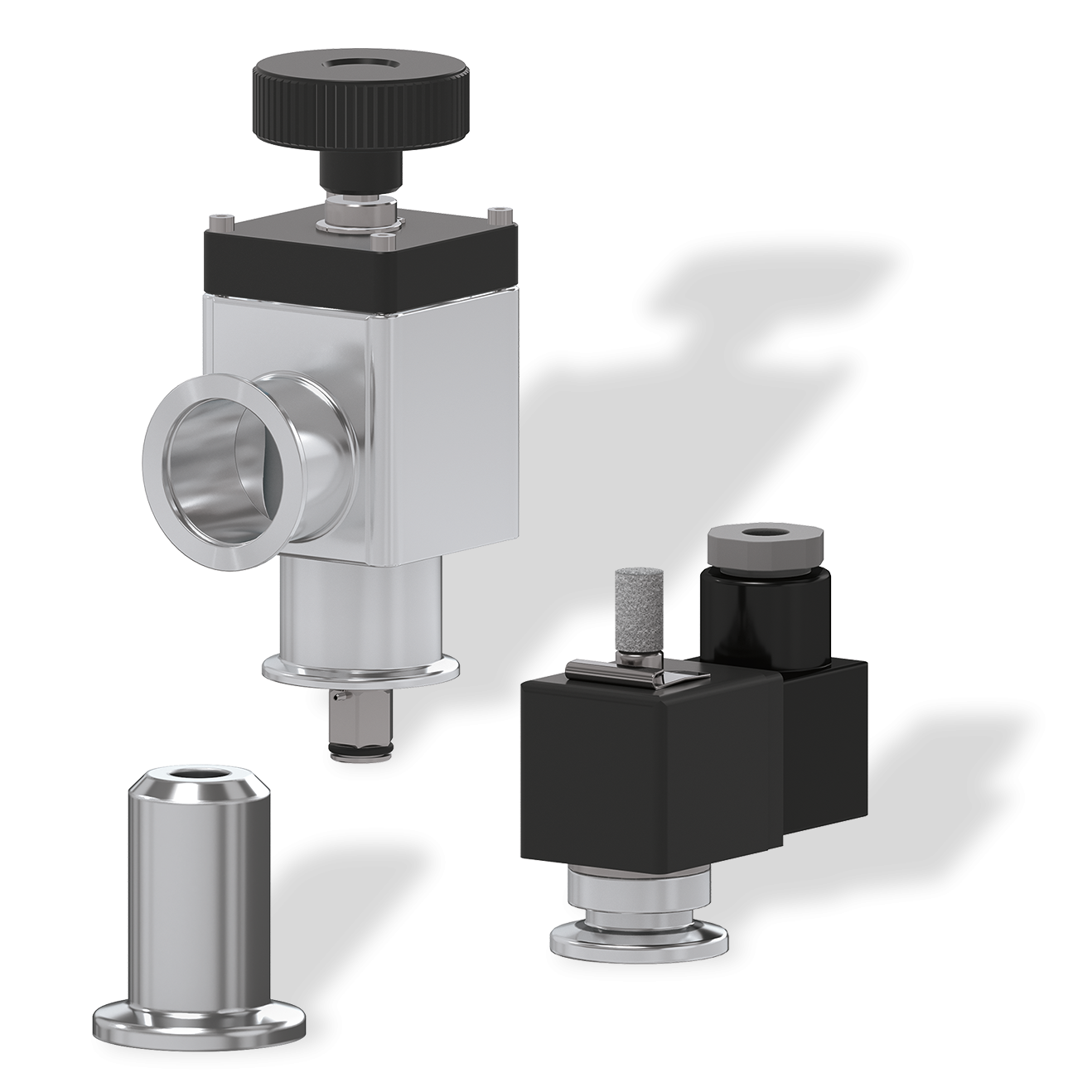
A vacuum pressure relief valve protects vacuum vessels by opening when internal over pressurization occurs, relieving excess pressure and protecting delicate instruments from damage.
A vacuum vent valve controls the safe reintroduction of air into a vacuum system, allowing pressure equalization and preventing damage to pumps and other equipment.
A vacuum safety valve protects vacuum vessels from exceeding specific pressure limits by automatically releasing excess pressure, ensuring system safety for operators and other lab personnel.
There are multiple types of vacuum relief valves, such as those designed for controlled venting and overpressure protection. These valves are used in many scenarios to prevent injury or equipment failure.
Consider the specific pressure range, the force required to operate the valve, and the connection to the tank. It's essential to choose a valve with the right seat, weight, and spring to handle internal over pressurization.
Factors include the valve’s ability to handle low pressures, its mounted configuration, and external connection to the system. It must also be easily adjusted to fit the system’s requirements.
A vacuum relief valve allows air to enter the system to prevent a vacuum from forming, while a pressure relief valve opens to release excess pressure, protecting the system from internal over pressurization.
VAT vacuum safety valves are designed to be highly reliable, preventing injury and system failure. They are factory set and suited for many scenarios, providing protection for vacuum vessels and delicate instruments.
The pressure relief valves described above are not certified safety devices and do not carry any formal safety rating. While certain designs may allow pressure release or venting, pressure relief or protection cannot be guaranteed, and these valves must not be used as primary and sole safety devices.